
In the following article I am going to discuss both the dangers and, dare I say it; the benefits surrounding content theft. 
I will show you how to get stolen content removed from offending sites and how to ensure that the risk of your content being stolen again are minimised.
Does that sound like something that could help you out?
If so, then read on.
Identify the risks
You need to ask yourself a BIG question here – realistically, how much damage can stolen content hurt you or your business?
If you sell a product online, let’s say an eBook for example and you find it being illegally distributed then that can definitely impact your sales.
What if it’s a piece of content from your blog that someone has reposted?
Now, that is definitely a bit trickier.
You need to be thinking about the quality of the website that has stolen your content, has the website been penalized by Google? – There are a lot of different reasons why a website may have been penalized by Google but some of the more serious reasons include things like nasty black hat techniques like sneaky redirects, selling links that pass PageRank or even being part of a blog network.
If the stolen content actually links to you then it could be extremely dangerous. At IonSearch in Leeds earlier in the year I attended the Black and Grey hat SEO panel where it was discussed by the majority of the panellists that they have known websites to be linked to within a blog network. Within a short amount of time Google would find these blog networks and de-index them – along with the websites being linked to.
This type of thing is rare but has been known to happen.
It’s also worth considering if the sites purpose is to just publish duplicated content by scraping RSS feeds because that can lead to a different problem. Chances are that sites doing this have already been penalised by Google but if it’s still being indexed then it’s possible that the website could scrape your RSS feed, publish your article and get it indexed before your article.
I’ve not seen this happen very often, but it does happen and this will only hurt your site because it then tells Google that you’re in fact the one ripping off people’s content – when you’re not at all.
This is a negative quality signal.
Looking at this another way, there is the possibility that someone reposting your content could be helping you by referring traffic and helping expose you and your brand to a larger audience.
There are pro’s and there are con’s, ultimately only you and those involved in your business can really identify how much of a risk this could be to you.
Ask for removal
Once you have identified that the stolen content puts you, your website or your business at risk then it’s time to just ask the site owner nicely to remove it.
There are occasions when the owners of multi-author blogs may not realise that someone has ripped off some of your content and they would more than happy to remove it and ban the author that published it.
On single author blogs it’s usually more difficult to get them to remove content, so ask nicely, if they say no, then mention that the next piece of correspondence that they will receive will be a DMCA notice.
If the nice approach fails
Now it’s time to take action and the most straight forward way to do this is to find out who is hosting the offending website using Who Is Hosting This.com and then send the DMCA notice directly to them.
The web host will then give the site owner an ultimatum – “either take down the stolen content or we will take down your website”.
Next steps
One great step that you can take to help safe guard your content is to setup Google Authorship which shows Google that the content is yours.
This will also put your face in search engine results and go some way to improving click through rates on most occasions.
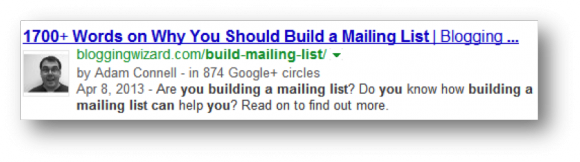
This won’t stop all content theft, but it’s extremely important to make sure this has been setup.
You can take this a step further and add links within your RSS feed to show the original link to the post and the original site it was posted on. This type of thing will stop RSS scrapers from getting your content indexed first.
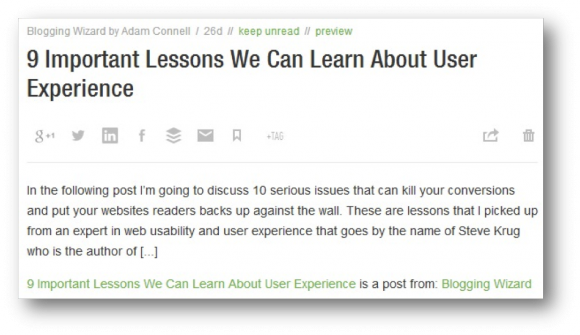
There are a number of ways of doing this, but it depends on which content management system (CMS) you are using, for WordPress users it’s relatively straight forward since you can add a plugin such as WordPress SEO by Yoast that allows you to add these links to your RSS feed.
Summary
Now you know the potential dangers of content theft and how you can take advantage of it for promoting your content, providing that it doesn’t put your business or brand at risk.
Getting stolen content removed can be easier than you think, by either asking or using the web host of the offending site to remove the content.
Have you had your content stolen? I’d love to hear more about your experiences in the comments below.
Author bio: Adam Connell is a marketing addict from the UK. You can find him blogging at BloggingWizard.com or follow him on Twitter @AdamJayC.

